

















 Humidifiers


 Smart Door Lock


 Indoor Camera





 Australia
 中国大陆
中国大陆 日本
日本


 Türkiye



 Italia
 Netherlands
 Belgium
 Greece
 Polska
 Norway
 Sweden
 Finland
 Denmark
 Hungary
 Czechia
 Slovenia
 Croatia
 Switzerland
 United Kingdom
 Belarus
 Georgia
 Canada

 Colombia


In this article
Walk into any home goods store, and you'll find yourself staring at dozens of vacuum options. Wet vacuums, dry vacuums, wet/dry combinations—the terminology alone can make your head spin. If you've ever compared a wet-dry vacuum vs. a regular vacuum and wondered which one you actually need, you're not alone.
However, once you understand what each type actually does, the choice becomes surprisingly clear.
Most households are discovering that the old approach of owning separate tools for different tasks just doesn't make sense anymore. Modern cleaning technology has evolved to handle both jobs simultaneously, saving you time and delivering better results. Let's break down the differences and figure out which solution fits your home.

The Three Main Vacuum Categories Defined
Before we dive deeper, here's a quick reference table that captures the essential differences between the different types of vacuums:
| Type | Primary Function | Best For | Limitations |
|---|---|---|---|
| Dry-Only Vacuums | Dust and debris removal via suction | Carpets, upholstery, high surfaces | Cannot handle liquids or sticky messes |
| Wet/Dry Floor Washers | Simultaneous vacuuming and mopping with clean water | Hard floors, spills, everyday messes | Heavier, designed for floor use only |
| Wet/Dry Shop Vacuums | Heavy-duty liquid and debris extraction | Garages, workshops, flood cleanup | Bulky, requires manual cleaning afterward |
1. Dry-Only Vacuums
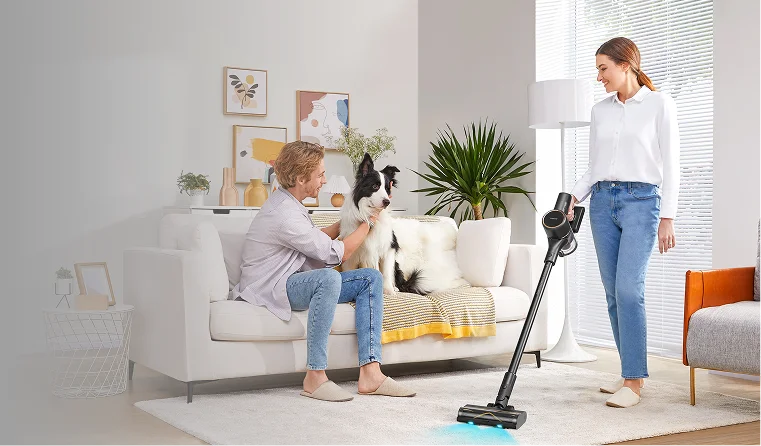
These are the traditional stick vacuums most people grew up with. They use powerful airflow to pull dust, pet hair, and debris into a collection bin. They're lightweight, easy to maneuver, and perfect for carpets, curtains, and furniture.
The problem shows up the moment something wet hits your floor. Spilled juice? A dropped egg? Your dry vacuum sits useless in the closet while you grab paper towels and a mop. Even after you vacuum up crumbs, sticky residue and dried spots often remain—so you end up cleaning the same area twice. Still confused about standard vacuums? Read more about how to choose a stick vacuum.
2. Wet/Dry Floor Washers
This category represents the biggest shift in home cleaning over the past few years. A wet dry vacuum for home use combines vacuuming and mopping into a single pass. They use rotating brush rollers, clean water dispensing, and powerful suction to simultaneously pick up debris and wash your floors.
Think about cleaning your kitchen after breakfast. With a traditional approach, you'd vacuum the crumbs, then mop the sticky spots. A wet/dry floor washer handles both at once; it picks up the cereal that fell on the floor while also scrubbing away the dried milk spots. The result is genuinely clean floors—faster, with less effort, and no “still feels sticky” finish. Many users ask: Wet dry vacuum vs. steam mop—which is better? A wet/dry vac is usually superior for daily messes because it removes the dirty water entirely rather than pushing it around on a pad.
3. Wet/Dry Shop Vacuums
These are the heavy-duty canister vacuums you see in garages and workshops. They're built to handle serious messes: sawdust, metal shavings, spilled paint, and large amounts of water. If your basement floods, this is what you need.
However, they're not designed for daily household use. They're heavy, loud, and after you suck up that mess, you're left manually cleaning out a filthy tank—exactly the kind of chore most people buy “convenient” tools to avoid.
Does a “Wet-Only” Vacuum Exist?
Short answer: not really.
There is no mainstream consumer category called a “wet-only” vacuum.
If you're dealing with large amounts of standing water, you'd use a sump pump or a shop-type wet/dry vacuum. For everyday spills on your kitchen floor, you need something that can also handle the crumbs and dirt that inevitably exist in the same space.
What people usually mean when they ask about wet-only vacuums is this: they want a tool specifically designed to clean liquid messes on their floors without the bulk of an industrial machine. That's exactly what modern wet/dry floor washers are made for—the mix of wet and dry messes that happen in real homes.
Performance Comparison: When to Use Which Tool

Understanding how each machine performs in real-life cleaning situations makes the choice much clearer.
Cleaning Hard Floors
- Dry Vacuum: A dry vacuum is effective for loose debris like crumbs, dust, and pet hair. However, it cannot remove sticky residues, dried spills, or greasy buildup. After vacuuming, floors often still feel dull or tacky, which means you’ll need to mop separately to finish the job.
- Wet/Dry Floor Washer: A wet/dry floor washer handles both dry debris and wet messes in a single pass. It can pick up crumbs while simultaneously washing away egg spills, milk splashes, sauce drips, and muddy paw prints. Because the machine uses clean water for washing and immediately suctions dirty water into a separate tank, grime isn’t pushed around; it’s removed. This results in visibly cleaner floors and better overall hygiene.
Cleaning Carpets
- Dry Vacuum: This remains the best option for carpets. Strong suction and brush agitation lift embedded dirt, dust, and pet hair from carpet fibers, making it ideal for deep cleaning and routine carpet maintenance.
- Wet/Dry Floor Washer (Standard Models): Most standard vacuum mops are not built for carpets. Wet rollers can oversaturate fibers, struggle to move smoothly, or fail to extract enough moisture. That said, high-traffic areas like kitchens, dining spaces, and entryways are typically hard floors—precisely where a wet/dry floor washer delivers the most value.
Handling Liquid Spills
- Dry Vacuum: Dry vacuums should never be used on liquids. Doing so risks motor damage, electrical hazards, and voided warranties.
- Wet/Dry Floor Washer: These machines are designed specifically for liquid cleanup. Spilled water, juice, or other liquids are safely suctioned into a sealed dirty-water tank, protecting the motor and leaving floors clean and dry much faster than manual mopping.
Maintenance and Daily Usability
Tank vs. Dust Cup
- Dry Vacuums: Dry vacuums use dust cups or bags that are easy to empty and require little effort. Because there’s no moisture involved, cleanup is fast and hygienic, making them well-suited for everyday use.
- Wet/Dry Floor Washers: Wet/dry floor washers use separate clean- and dirty-water tanks. The dirty tank must be emptied and rinsed after each cleaning session. This step is essential, as skipping it often leads to unpleasant odors and bacterial buildup. This is one of the most commonly reported disadvantages of wet and dry vacuum cleaners.
Weight and Ergonomics
- Dry Vacuums: Dry vacuums are generally lighter and easier to maneuver (often under 6 lbs / 2.7 kg). They can be lifted for stairs, upholstery, curtains, and other above-floor areas, making them more versatile for whole-home cleaning.
- Wet/Dry Floor Washers: Wet/dry floor washers are heavier because of the added water weight. They are designed to glide across hard floors, not to be carried or lifted. While comfortable to push, they are floor-only tools and should be used alongside, not instead of, a standard vacuum.
How to Choose the Right Setup for Your Home
There's no one-size-fits-all answer here. The right choice depends on your specific situation: what kinds of floors you have, whether you have pets, and how much mess your household generates.
1. For Mixed Floors (Carpets & Hard Floors): Prioritize Versatility
If your home has both carpeted bedrooms and hard-surface living areas, you've traditionally needed two separate machines. But if you want fewer tools and fewer steps, choose a model built to adapt.
The Dreame H15 Pro CarpetFlex Wet Dry Vacuum changes the game entirely.
This machine uses a dual-brush system that automatically adjusts suction power and brush speed based on what surface it's on. Switch the hard floor brush to a carpet brush when you roll from tile onto a rug. Its sensors detect the change and modify the cleaning mode accordingly. The 23,000Pa suction handles deep carpet cleaning without the wet rollers ever touching the fibers, ensuring effective pickup and a fresh feel.
This kind of versatility means you can actually clean your entire home with one tool, without manually switching modes or worrying about damaging your carpets.
[product handle="h15-pro-heat-wet-dry-vacuum" rating="4.6"]
2. Hard Floor Homes (Kitchens, Pets, Kids): Prioritize Hygiene
If your home is dominated by tile, vinyl, or sealed wood, especially in kitchens, dining areas, or pet zones, then cleanliness extends beyond aesthetics to actual hygiene.
Recommended Solution:
The Dreame H15 Pro Heat Wet Dry Vacuum is a perfect choice for hard floor homes.
Its 85°C (185°F) hot water mode helps break down grease, dried spills, and sticky residues more effectively than cold water.
Its 100°C (212°F) ThermoTub™ self-cleaning feature minimizes odor and bacterial buildup inside the machine.
This setup is particularly useful for households dealing with frequent food spills, wet dry vacuum for muddy paw prints or pet accidents, where removing contaminated water matters as much as removing visible dirt.
[product handle="h15-pro-carpetflex-wet-dry-vacuum" rating="5"]
3. Whole-Home Coverage: One System for Floors and Furniture

Some homes need both wet floor cleaning and dry vacuuming for furniture, cars, and above-floor areas.
Recommended Solution:
The Dreame G10 Combo Wet Dry Vacuum covers your entire household cleanliness needs single handedly.
This convertible system functions as a full wet/dry floor washer, but the motor unit detaches into a handheld dry vacuum. It allows you to wash hard floors while still handling sofas, stairs, car interiors, and curtains. For users who want broader coverage without buying multiple machines, this all-in-one approach offers practical convenience.
Conclusion
The days of owning a separate vacuum and mop for everyday cleaning are fading. While dry-only vacuums still play an important role for carpets and high-reach areas, wet/dry floor washers have become the most efficient solution for modern households—especially if your day-to-day mess includes both crumbs and spills.
Whether you need hot-water sanitization like the H15 Pro Heat, carpet adaptability with H15 Pro CarpetFlex, or full floor-to-ceiling versatility with the G10 Combo, a wet/dry vacuum simplifies cleaning without sacrificing results. Of course, if you are still debating between a handheld washer and total automation, it is worth looking at the other side of the coin. Check out our guide on wet/dry vacuums vs. robot vacuums to see if a hands-free robot might be the better fit for your lifestyle. Also, you can explore the full range of options in our wet and dry vacuum collection.
Frequently Asked Questions
Is there such a thing as a "wet-only" vacuum?
Not in the consumer market. What people usually need when they ask this is either an industrial sump pump for large water volumes or a wet/dry floor washer for everyday spills. A machine that only sucks up liquids without handling any dry debris wouldn't be practical for home use, since you'd still need another tool for regular cleaning.
Can I use a wet/dry floor washer on my carpets?
Standard models struggle with carpets. However, the Dreame H15 Pro CarpetFlex Wet Dry Vacuum uses CarpetFlex™ technology and 23,000Pa suction to adapt to carpet height. Its dual-roller system adjusts suction and water flow automatically, allowing it to clean carpets without getting stuck.
Do I still need a regular dry vacuum?
Yes, for deep carpet cleaning, stairs, furniture, and curtains. Many households pair a wet/dry floor washer with a lightweight stick vacuum.
Why does my wet/dry vacuum smell bad?
Odors usually come from leaving dirty water in the tank. Emptying and rinsing after every use, and using self-cleaning features prevents this.
Can a wet/dry vacuum replace a steam mop?
In most cases, yes. Wet/dry floor washers clean with water and suction, which is safer for many floors and faster for daily messes than steam.
