


















 Humidifiers


 Smart Door Lock





 Australia
 中国大陆
中国大陆 日本
日本


 Türkiye



 Italia
 Netherlands
 Belgium
 Greece
 Polska
 Norway
 Sweden
 Finland
 Denmark
 Hungary
 Czechia
 Slovenia
 Croatia
 Switzerland
 United Kingdom
 Belarus
 Georgia
 Canada


 Colombia

In this article
It sounds like the perfect solution: using the power of steam to sanitize your home without chemicals. But if you are asking about hardwood floors, the short answer is generally no.
Steam might be effective for sanitizing bathroom tiles, but on hardwood and several other floor types, it is a recipe for disaster. You are essentially blasting pressurized, boiling moisture into an organic material that naturally absorbs water. The result is often warping, cupping, and a voided warranty.
That doesn't mean you have to settle for dirty floors to protect your home's foundation. Technology has evolved beyond the old "steam vs. cold water" debate. Modern hot-water extraction now offers a certified, safe method for deep-cleaning sealed wood without thermal shock.
Here is the reality of why traditional steam fails on wood and the specific tech you should use instead.
3 Signs You Should NOT Steam Clean Your Floors

Take a close look at your flooring. If you spot any of these three red flags, keep the steam mop in the closet.
1. Worn Sealant
Risk: Immediate water damage.
Think of sealant as the shield standing between water and the sponge-like wood underneath. If a water drop soaks in rather than beading up, your shield is down. Steam won't just sit on top; it will bypass the surface and swell the wood fibers from the inside out.
2. Gaps in Planks
Risk: Bypassing surface protection.
Wood moves. It breathes. When humidity changes, tiny gaps open up between boards. A steam vacuum exploits these weak points, shooting high-pressure vapor into the unfinished raw wood on the sides of the planks, where they have zero protection.
3. Engineered Wood
Risk: Delamination (Peeling).
Engineered wood is held together by glue. Hit that adhesive with 212°F steam, and it starts to fail. Unless your user manual explicitly says "steam safe," assume you are going to peel the top layer right off your floor.

Why Steam Mops Can Damage Hardwood Floors
Steam is a gas, not a liquid. To generate steam, mops must boil water past 212°F (100°C). This state change introduces two specific threats that hardwood simply can't handle:
- Moisture Injection: Gas molecules are smaller and more energetic than liquid droplets. They force their way into microscopic abrasions in the floor's finish—places liquid water would never reach.
- Thermal Shock: You are subjecting the floor to a rapid temperature spike. Wood cells expand violently from the heat, then contract as they cool. Do this enough times, and the structural integrity fails, leaving you with permanent cupping.
When (If Ever) Can You Use a Steam Vacuum on Wood?
You can use your steam vacuum only if your floor is brand new and flawless. Technically, you might get away with using a cordless steam vacuum cleaner if your sealant is factory-fresh with zero scratches.
But you are walking a tightrope. If you insist on trying it, follow these strict rules:
- Keep Moving: Never let the machine idle in one spot.
- Lowest Setting: Dial the steam output down to the absolute minimum.
- Immediate Drying: Your vacuum's suction needs to be powerful enough to pull that moisture back out the instant it hits the floor.
Steam vs. Hot Water Washing: The Evolution of Deep Cleaning
The cleaning industry is rapidly shifting away from extreme steam toward temperature-controlled hot water extraction. To understand why, we need to look at what each method actually does to your flooring.
Pros and Cons of Steaming
- Delivers chemical-free sanitization.
- Highly effective at lifting grime from hard, non-porous surfaces like bathroom tile and grout.
- Extremely high risk of warping and damaging wood fibers due to boiling temperatures (>212°F).
- Pressurized vapor forces moisture deep into microscopic cracks where it lingers.
- Surface temperatures are dangerous and often void flooring warranties immediately.
- Safe for sealed wood. Regulated heat avoids the thermal shock associated with boiling steam.
- Dissolves tough kitchen grease and sticky messes rapidly.
- Liquid is instantly extracted by a vacuum system, leaving floors dry in seconds.
- Requires investing in specialized wet dry vacuum equipment rather than a basic mop.
A Safer Alternative: The Power of Hot Water
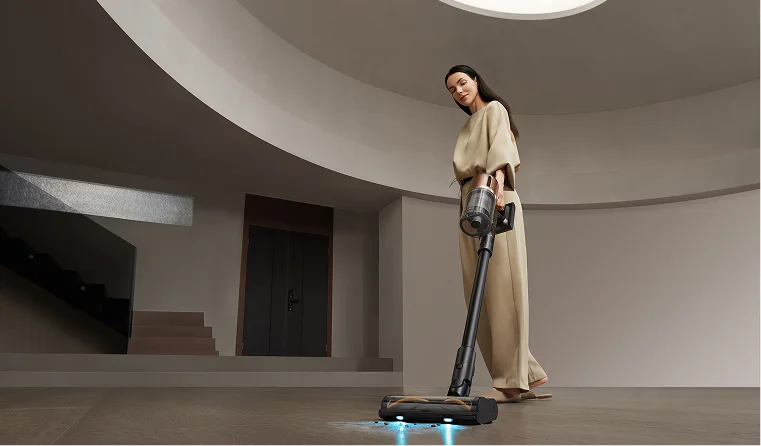
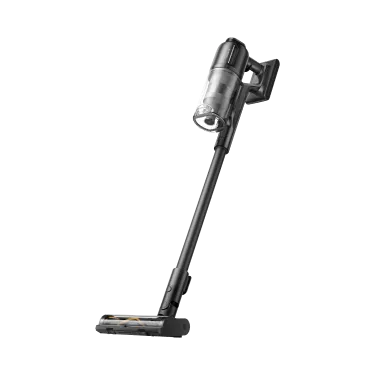
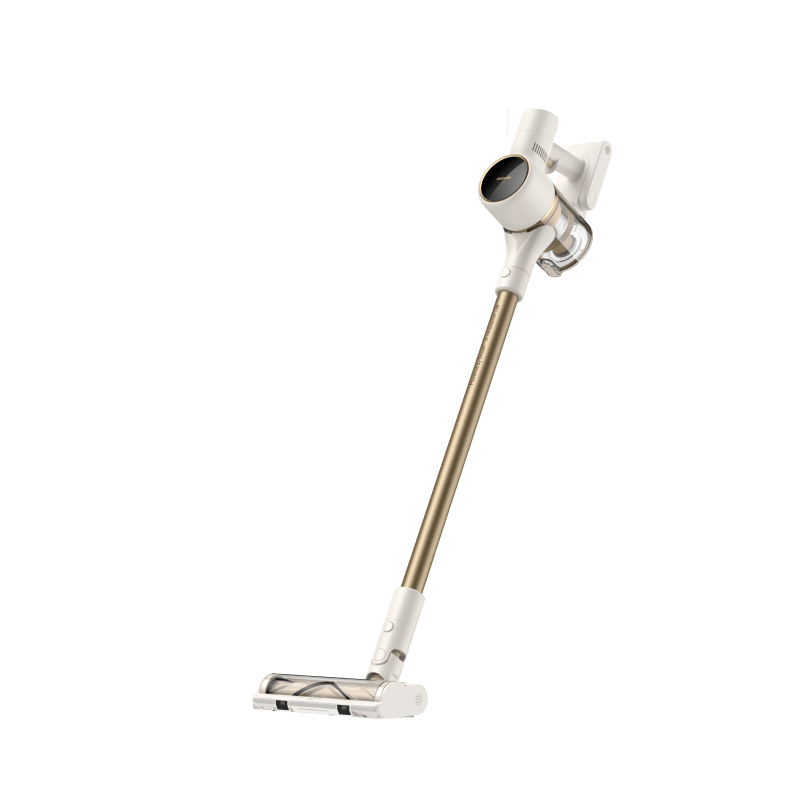
If you want the grease-cutting power of heat without the destructive pressure of steam, you need a device that controls temperature precisely. This is exactly what modern wet-dry vacuums are designed to do, and the Dreame H15 Pro Heat leads this category.
It utilizes ThermoRinse™ technology to heat water to exactly 185°F (85°C).
Why it works:
- Melt Grease, Don't Cook Wood: 185°F(85°C) is the sweet spot. It’s hot enough to liquefy stubborn kitchen oil and sticky messes, but it stays below the threshold that damages modern floor finishes.
- Instant Extraction: Unlike a steam mop that leaves moisture trapped in cracks, this wet-dry vacuum scrubs with hot water and immediately vacuums the dirty liquid into a separate tank. Your floors are left dry and streak-free in seconds.
Steam Mops vs. Wet Dry Vacuums on Hardwood
Now that we understand how the wet dry vacuum manages heat safely, how does this actually compare to the traditional steam mop you might be considering?
| Feature | Traditional Steam Mop | Wet Dry Vacuum (eg. Dreame H15 Pro Heat) |
|---|---|---|
| Temperature | >212°F (100°C Boiling Steam) | 185°F (85°C Hot Water) |
| State | Pressurized Gas | Liquid Flow |
| Risk to Wood | High (Injection & Shock) | Low (Safe Dissolution) |
| Cleaning Logic | Blasts moisture into floor | Washes & extracts instantly |
| Safety Cert | Rarely certified for wood | TÜV SÜD Certified |
For a deep dive into the mechanics, read our guide on Wet Dry Vacuum vs. Steam Mop.
3 Essential Tips for Maintaining Hardwood Floors
Tip 1. Manage Humidity at Home:
Maintain indoor humidity levels between 35% and 55%. This prevents planks from splitting, swelling, or opening up gaps.
Mistake Avoided: Ignoring humidity renders even the best cleaning tools ineffective because the wood physically changes shape.
Tip 2. Clean Spills Immediately:
Wipe up liquids the moment they hit the floor. This stops moisture from soaking into the vulnerable seams between boards. Letting water sit causes "blushing" (a milky white haze) under the finish. A wet-dry vacuum is your best friend here, removing spills faster than paper towels ever could.
Tip 3. Use the Right Cleaning Mode:
Select the "Standard," "Low," or dedicated "Wood" mode on your cleaning device.
- Result: This ensures the machine delivers the correct water volume and temperature for sensitive surfaces.
- Mistake Avoided: Running "Max" or "Steam" modes on wood forces too much water into the grain—more than the floor can handle.
For more in-depth advice, read our full guide on how to clean hardwood floors.
FAQs About Steaming on Hardwood Floor
What is the best way to clean hardwood floors?
Use a damp (not wet) microfiber mop or a specialized wet-dry vacuum with a pH-neutral cleaner. Avoid traditional string mops that slosh excess water around, and never use harsh chemicals like bleach or ammonia.
Will using a steam mop void my hardwood floor warranty?
Yes, in most cases. Manufacturers view steam cleaning as negligence. The extreme heat and moisture injection cause damage that isn't considered normal wear and tear.
Can I use vinegar in a steam mop to clean wood floors?
No. Hard pass. Vinegar is acidic. It eats away at the polyurethane finish that protects your wood. Plus the heat of steam, and you are accelerating that chemical reaction, stripping your floor's protection in record time.
What should I do if a steam mop leaves white marks on my floor?
Stop steaming immediately and dry the area. That white mark (often called "blushing") indicates that moisture is trapped beneath the finish but hasn't yet reached the wood. You can sometimes draw it out by gently using a hair dryer on a low, cool setting.
Is a vacuum steam mop combo safe for engineered wood?
Rarely. The adhesives in engineered wood are highly heat-sensitive. A vacuum steam mop combo typically operates at temperatures above 212°F (100°C), which can melt the glue and cause the layers to delaminate.
Conclusion
Ultimately, deciding whether to steam clean your hardwood floors comes down to a simple risk assessment. While the appeal of chemical-free sanitization is strong, the potential consequences—ranging from subtle finish clouding to irreversible warping—make traditional steam mops a dangerous gamble for your home's most valuable surfaces. You shouldn't have to choose between living with dirty floors and risking permanent damage to your investment.
Fortunately, modern cleaning technology has evolved to solve this exact dilemma. You no longer need the extreme, pressurized heat of steam to achieve a true deep clean. The Dreame H15 Pro Heat bridges the gap, utilizing precise 85°C hot water to effortlessly dissolve grease and sticky messes while remaining completely safe for sealed wood. It offers the sanitizing power you want with the TÜV-certified protection your floors need. Why take a chance on steam when a smarter, safer alternative is ready to work?
