Wet and dry vacuum

Dreame H15 Pro Heat vs H15 Pro CarpetFlex: Which Wet & Dry Vacuum Should...

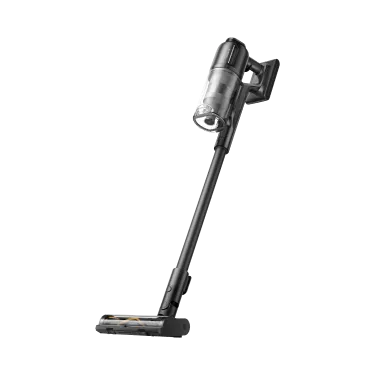
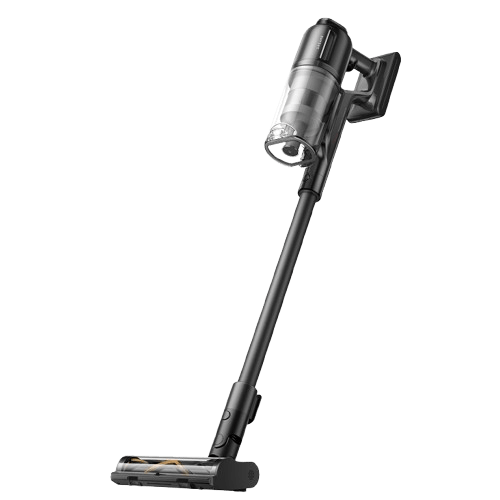
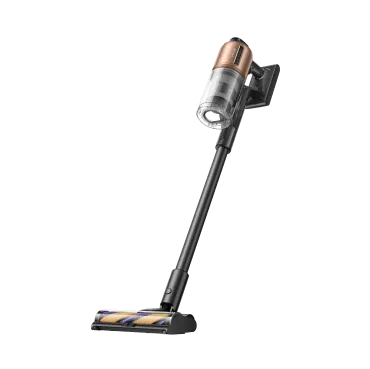
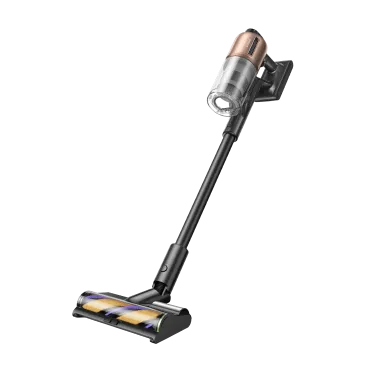
Choosing between H15 Pro Heat and H15 Pro CarpetFlex comes down to your floors, your messes, and how hands-off you want cleanup to be. This quick guide frames the differences in plain English so you can pick with confidence. Quick answer (TL;DR): Pick H15 Pro Heat if your home is mostly hard floors and you want the fastest deep clean with real hot‑water floor washing, gap‑free edge cleaning, and the most automated self‑clean/dry routine. It’s a “showpiece” hard‑floor washer with advanced edge tech and app‑assisted under‑furniture navigation. Pick H15 Pro CarpetFlex if you live with both hard floors and rugs and want one device to handle wet hard‑floor messes and dry vacuuming on carpets (thanks to a dedicated Carpet Brush) plus MistLock dust suppression for allergy‑friendly cleanup. It’s the do‑everything choice for mixed flooring.  Specs at a glance If you only have a minute, this table shows the big levers: runtime, brush systems, edge tech, and cleaning temps. So you can match the model to your home. All performance figures are from Dreame in‑house/third‑party labs; actual results vary by home and usage. Feature H15 Pro Heat H15 Pro CarpetFlex Floor types Hard floors focus Hard floors (wet/dry) + carpets (dry) Suction (rated) 22,000Pa 23,000Pa Runtime (max) Up to 72 min Up to 60 min Standout cleaning tech 185°F (85°C) hot‑water floor washing (approx. 131°F / 55 °C at floor)GapFree™ AI robotic arm for triple‑edge cleaning Dual Brush System (Hard Floor + Carpet)MistLock dust suppression Self‑cleaning ThermoTub™ 212°F (100°C) immersive brush wash; AI‑tuned cycles Up to 212°F (100°C) self‑clean (Hard Floor Brush hot‑wash / Carpet Brush cold‑wash) Drying 5 min 194 °F (90°C) super‑speed or 30 min 85 °C sealed drying; AI re‑dry Up to 194°F (90°C) full‑path hot‑air drying;~5 min quick‑dry (Hard Floor Brush) / ~20 min deep‑dry (Carpet Brush) Edge cleaning Yes Yes Under‑furniture 180° lie‑flat 180° lie‑flat Tanks 0.23 gal clean /0.17 gal used880 ml clean / 650 ml used 0.20 gal clean /0.18 gal used780 ml clean / 700 ml used Hair management TangleCut™ resilient scraper, validated tangle‑free in lab tests TangleCut™ 2.0 (15% denser comb teeth) Sensors/UI RGB dirt detection; Dreamehome app; GlideWheel™ power assist RGB dirt detection; LED + voice prompts; GlideWheel 2.0 assist Cleaning performance Let's look at how each vacuum behaves with everyday debris, sticky spills, and those ‘why is this still here?’ spots. We focus on speed to clean, residue left behind, and how finished your floors look after one pass. On hard floors (wet & dry) H15 Pro Heat: If sticky spills and kitchen grease are your pain points, Heat is the standout. It rinses the roller with 185°F (85°C)  hot water to wash floors at about 131°F (55 °C), dissolving oily messes fast. Its GapFree™ AI robotic arm drops at the front to close the typical “dry strip,” enabling triple‑edge cleaning (front + both sides) and leaving nearly zero water stains in push‑pull passes under lab conditions. If you’ve ever chased wet lines along baseboards, this front‑edge tool is a real upgrade. H15 Pro CarpetFlex: CarpetFlex focuses on consistency and clean air. Its Hard Floor Brush continuously rinses at 480 RPM while suction removes dirty water immediately; MistLock lightly mists dust so it becomes damp waste instead of a cloud—handy for allergy‑sensitive homes. You don’t get Heat’s front robotic arm, so you’ll use slow parallel passes for edges, but everyday spills (juice, yogurt) and tracked‑in dirt are handled efficiently. Verdict for hard floors: Choose Heat for the fastest deep clean on sticky/greasy messes and the best front‑edge pickup; choose CarpetFlex if you value cleaner air during use/emptying and don’t need the robotic arm. On carpets & rugs (dry vacuuming) If rugs are part of your daily route, this section explains how both machines handle fibers, hair, and grit—and when a dedicated carpet brush truly makes a difference. H15 Pro Heat: Optimized for hard floors. It brings strong suction (22,000Pa) and hair‑cutting hardware, but it does not include a dedicated carpet brush. If rugs are occasional, Heat can spot‑vacuum; if rugs are routine, see CarpetFlex. H15 Pro CarpetFlex: Purpose‑built for mixed homes. You can swap to the Carpet Brush to lift grit from fibers, and TangleCut™ 2.0 brush helps prevent wrap. With 23,000Pa suction and a brush made for rugs, it’s the safer bet for regular carpet care. Verdict for carpets: If you want one machine for hard floors and rugs, CarpetFlex is the clear pick.  Hair & pet messes H15 Pro Heat: 0 tangles across hair tests, minimizing hands‑on detangling. H15 Pro CarpetFlex: 15% denser comb teeth for better hair cutting—including dense pet fur. If you’re a multi‑pet household with rugs, the Carpet Brush + TangleCut 2.0 combo is very compelling.  Edge cleaning & corners Edges are where most washers leave a dry strip. See how Heat’s robotic front arm compares with CarpetFlex’s careful, parallel edge passes. H15 Pro Heat: The DescendReach robotic arm presses down on pull‑back to wipe up residual water. In our tests, it showed near‑zero water stains compared with typical dual‑edge heads. If you care about baseboards and toe‑kicks looking bone‑dry right away, this is a meaningful difference.  H15 Pro CarpetFlex: A strong standard head, but no robotic arm. Edges are best handled with controlled, parallel passes.  Maneuverability & under‑furniture reach A vacuum you have to wrestle with won’t get used. Here’s how they steer, lie flat under low furniture, and feel in the hand over long sessions. H15 Pro Heat: GlideWheel™ power system does more than assist; it can lead the motion and even help the machine stand after shut‑off. Lay it 180° flat and, uniquely, you can drive it via the Dreamehome app to clean under low furniture (down to ~1.18in / 13 cm body; 3.5in / 8.9 cm head clearance). It’s a clever “hands‑off” trick for tight spaces.  H15 Pro CarpetFlex: Also lies 180° flat, and GlideWheel 2.0 keeps pushes/pulls light. There’s no app‑driving under furniture, but steering and day‑to‑day handling are much easier.  Hygiene, self‑cleaning & drying H15 Pro Heat: Drying is sealed and hot, you can pick 5 min at 194°F (90°C) (quick) or ~30 min at 185°F (85°C) (default), and the system will auto re‑dry if humidity dampens the brush in standby. Heat can also electrolyze water to generate disinfectant during cleaning (lab‑validated effects on common microbes/viruses under test conditions). Drying noise is kept comfortable (lab‑rated ~63 dBA). This is the most “set‑and‑forget” maintenance package here.  H15 Pro CarpetFlex: One‑button self‑clean with up to 212 °F (100°C) hot‑wash (Hard Floor Brush) and full‑path hot‑air drying up to 194 °F (90°C) for brush, pipes, and filter. Expect ~5 min quick‑dry for the Hard Floor Brush and ~20 min thorough dry for the Carpet Brush. Simple, fast, and quiet—keeps odors down and parts ready for the next session.  Runtime, tanks & noise Runtime: Heat is rated up to 72 min; CarpetFlex up to 60 min (with ~3 h fast charging). In practice, heavy wet passes or Max mode shorten runtime on either model. Coverage & capacity: CarpetFlex notes up to ~3,229 ft² (300m²) on a charge in light/Auto use, with 0.20 gal clean /0.18 gal used (780 ml / 700 ml) tanks that reduce refills, while Heat features 0.23 gal clean /0.17 gal used (800 ml / 650 ml) water tanks  Noise: Both moderate during cleaning; Heat’s sealed drying targets comfort levels during the post‑clean cycle.  Which one should you buy? Choose H15 Pro Heat if you: Have mostly hard floors and want the best finish along front edges/baseboards with near‑zero water streaks. Regularly face oil/grease and sticky messes and value hot‑water floor washing that breaks them down faster. Want the least maintenance fuss: immersive self‑wash, 5–30 min hot‑air drying, and smart re‑dry in humid climates. Love the idea of app‑assisted, lie‑flat cleaning under low furniture.  Choose H15 Pro CarpetFlex if you: Live with hard floors + rugs and need one machine for wet hard‑floor cleaning and dry carpet vacuuming (dedicated Carpet Brush). Prefer cleaner air while you clean/empty—MistLock turns dust into damp waste to minimize airborne particles. Want strong overall suction and friendly upkeep with self‑clean and full‑path drying.  Need clear guidance: LED + voice prompts, RGB dirt detection, and GlideWheel 2.0 for an easy push/pull feel.  Read our review of the Dreame H15 Pro CarpetFlex to discover if this wet-dry vacuum is the right choice for you.  FAQ Will H15 Pro Heat work on rugs? Heat is optimized for hard floors; it doesn’t include a dedicated Carpet Brush. For regular rug cleaning, CarpetFlex is the better match. Which is better for allergies—Heat or CarpetFlex? CarpetFlex includes MistLock Dust Control, which mists fine dust so it sinks into the waste stream instead of the air—useful for allergy‑sensitive homes. Do both models self‑clean and dry the brush? Yes. Heat uses ThermoTub™ 100 °C immersive wash with 90 °C/85 °C sealed drying (as quick as 5 min), plus smart re‑dry. CarpetFlex runs up to 212 °F hot‑wash (Hard Floor Brush) and up to 194 °F hot‑air full‑path drying with quick/thorough options. Edge cleaning: is the robotic arm worth it? If you notice a stubborn front gap with typical heads, Heat’s GapFree™ arm can make edges/baseboards look finished in one pass and reduce water streaks—great for kitchens and entryways.  How about hair from pets or long-haired family members? Both cut hair as they clean. Heat’s TangleCut™ scraper is lab‑validated for 0 tangles; CarpetFlex’s TangleCut™ 2.0 has denser comb teeth for heavy‑shedding homes—especially effective when using the Carpet Brush on rugs. Bottom line Hard‑floor perfectionist? Go H15 Pro Heat for hot‑water washing, robotic front‑edge cleaning, and the most automated hygiene routine.  Mixed floors with rugs? Go H15 Pro CarpetFlex for the Carpet Brush, MistLock, and balanced, whole‑home versatility.  How we tested We evaluate pick‑up on wet spills and dried stains, dry debris on wood/tile and rugs, edge pickup near baseboards, hair wrap on the brush, runtime by mode, and maintenance time (self‑clean + drying). We verify sensor behavior (RGB dirt detection) and note maneuverability (push/pull effort, under‑furniture reach). Specs and feature claims referenced here come from Dreame’s lab documentation.
Read full article: Dreame H15 Pro Heat vs H15 Pro CarpetFlex: Which Wet & Dry Vacuum Should You Buy?

Wet and Dry Vacuum Cleaner for Carpets: How to Choose and Use

Carpets are cozy, stylish, and perfect for making a house feel like home. But while carpets add comfort, they also trap dirt, dust, and liquids in ways that hard floors don’t. A quick pass with a regular vacuum may lift surface dust, but spills, sticky messes, and moisture sink deeper into carpet fibers. That’s where a wet and dry vacuum for carpet comes in. Unlike a regular vacuum, which only handles dry dirt and dust, a wet and dry vacuum cleaner tackles spills, stains, and moisture head-on without the drama. In this guide, we’ll explain how wet and dry vacuums work on carpets, how to choose the right one, and step-by-step tips for using them so you can keep carpets cleaner without the stress. Is a Wet and Dry Vacuum Good for Carpets? The short answer: yes. Wet and dry vacuums are ideal for everyday spills, especially in homes with kids or pets. However, they aren’t a magic solution for every carpet problem. They remove surface moisture, debris, and light stains, but they don't replace professional deep cleaning or the kind of regular care outlined in our guide on How to Vacuum Your Carpet Effectively. According to the Institute of Inspection, Cleaning and Restoration Certification (IICRC), carpets with set-in stains, odors, or contamination from flooding need specialized treatment. So, a wet and dry vacuum is a powerful helper for maintenance and emergencies, but not a substitute for deep fiber rinsing. Make Sure the Wet/Dry Vacuum Is Compatible with Your Carpet Not all wet and dry vacuums suit every carpet. Pile thickness, material, and density affect performance, and the wrong vacuum can damage delicate fibers. Types of Carpets and How Wet/Dry Vacuums Work on Them Low-pile carpets and rugs (<1/4"): Perfect match. These carpets are easy to vacuum with a wet and dry machine, as liquids and debris don’t get buried too deep. Medium-pile carpets (1/4"–1/2"): A balanced choice. They need suction power in the 8,000–22,000 Pa range and a brush that’s designed for carpets. Too much pull can seal the vacuum head onto the fibers, making it hard to move and less effective. A vacuum with an adjustable brush head makes the job smoother and protects the pile. High-pile or shag carpets (>1/2"): More challenging. Look for airflow of at least 22,000–25,000 Pa and flexible heads that can reach into longer fibers without tangling. A cordless upright may struggle here; a high-performance wet and dry model is the safer bet. Carpet Type Thickness Recommended Suction/Airflow Low-pile  < 1/4" ~8,000 Pa or higher Medium-pile  1/4" – 1/2" 8,000–22,000 Pa High-pile > 1/2" 22,000–25,000+ Pa airflow Carpet material also makes a difference. Wool and nylon carpets are durable but can trap moisture more deeply, making strong suction valuable. Cotton blends absorb liquids quickly but dry slower, so fast extraction helps. Synthetic fibers like polyester or olefin are easier to clean, as they resist stains and don’t hold onto moisture as long. Dreame Take We developed the H15 Pro CarpetFlex with two intelligent brush heads, including one designed specifically for carpets. This prevents suction loss on thicker piles and makes vacuuming smoother and more efficient. What Wet/Dry Vacuums Are Not For Stubborn, set-in stains: You’ll need chemical rinses or professional-grade carpet extractors. Odor removal: Wet and dry vacuums don’t deodorize. Large-scale water damage: If your carpet has been soaked in floodwater, call professionals certified by the IICRC. How to Use a Wet/Dry Vacuum Cleaner for Carpet Once you’ve got the right wet and dry vacuum for carpet, using it correctly makes all the difference. Here’s a practical step-by-step guide: Step 1: Prep the Area Clear small furniture and objects. Make sure the carpet is dry; treat any liquid spills off-carpet and allow fibers to dry before vacuuming. Step 2: Attach the Carpet-Specific Brush This is crucial. Ensure you’ve switched from the hard floor brush to the dedicated carpet brush. The right brush protects your carpet and maximizes cleaning efficiency. Step 3: Select Dry/Carpet Mode & Set Suction Use Dry/Carpet Mode (not Wet Mode) and adjust suction so the head glides without sealing. Some Dreame models, such as H15 Pro CarpetFlex, can auto-detect the brush type and adjust the working mode accordingly. Step 4: Work in Sections Don’t rush. Move slowly across the carpet in overlapping passes. For larger carpets, divide the space into quadrants. Step 5: Tackle Hair and Edges Use the edge/crevice tool around baseboards. Anti-tangle tech (e.g., TangleCut™ 2.0) reduces hair wrapping on the brush. Step 6: Post-Clean Care Empty and rinse the dirty tank after each session. A wide-mouth tank design makes this process much easier. Remove any hair from the brush and check pathways. [product handle="h15-pro-carpetflex-wet-dry-vacuum" rating="4.7"] Pro-tip For spills, treat and dry the carpet first—never vacuum it wet. Once dry, use your carpet brush in Dry Mode to remove embedded dust and dirt. For broader upkeep, our blog on Carpet Cleaning Solutions: What to Use and How to Use It in 2025 is a helpful companion. For wet messes, switch to the hard-floor brush and turn Wet Mode off on the carpet. Do not use Wet Mode on carpet. Blot excess moisture if needed, then let the vacuum do its job. Open windows or set up fans to help the area dry faster. Dos and Don’ts of Vacuuming Carpets with a Wet/Dry Vacuum Do: Use the carpet brush and Dry/Carpet Mode on rugs and carpets. Adjust suction/height so the head doesn’t seal to the pile. Make slow, overlapping passes; repeat on traffic lanes. Empty the bin and clean the brush roll after each use. Don’t: Don’t use Wet Mode on carpet or attempt to extract liquid from carpet with a vacuum. Don’t use the hard-floor brush on carpet. Don’t vacuum while fibers are damp; let spills dry first. Don’t ignore care labels (e.g., wool) or vacuum large objects/liquids. What to Look for in a Wet/Dry Vacuum If You Have Carpets Shopping for the best wet and dry vacuum cleaner for carpet can be overwhelming. Use this checklist to narrow your choices: Carpet compatibility: Make sure the vacuum is truly designed for carpets and not just hard floors. If multi-surface cleaning is important, choose a model that can adapt suction and brush settings between floor types. Brush design & anti-tangling: Dedicated carpet brushes or motorized brush rolls help agitate fibers effectively. Features like Dreame’s TangleCut™ 2.0 prevent hair wrapping, saving time on maintenance. Suction power and airflow: Strong suction (for example, around 18,000–24,000 Pa) is vital for pulling dust, dirt, and moisture out of the pile. Look for a sealed system that maintains power. Tank hygiene: A wide-mouth, easy-to-clean tank is a must. Models with self-cleaning and self-drying functions, like the Dreame H14 Pro, add convenience. Dust control: If anyone in your home has allergies, look for sealed HEPA filtration systems that trap dust before it becomes airborne. Advanced systems like the H15 Pro CarpetFlex’s MistLock Dust Control add another layer of protection by locking in fine particles and reducing dust escape when emptying the tank. Maneuverability: Check the weight and wheel design. A swivel head and low-friction wheels make cleaning less of a workout. The SmoothGlide system in H15 Pro CarpetFlex adapts the wheels for easy push and pull on various surfaces.  Runtime and power: Cordless units should provide at least 30–40 minutes of runtime; corded ones need a generous cord length. The H15 Pro CarpetFlex runs up to 60 minutes in Quiet Mode and about 40 minutes in Smart Mode, giving plenty of time to handle medium- to large-size homes. Smart guidance UI: Models that offer dirt detection and tank indicators make cleaning more intuitive. When a Wet/Dry Vacuum Isn’t Enough Sometimes you’ll need more than a wet and dry vacuum cleaner for carpet. If your carpet smells musty, has old stains, or has been exposed to dirty water, a wet and dry vacuum alone won’t cut it. In these cases, you’ll need: A carpet extractor for deep chemical rinsing. Professional cleaning services, especially for large contaminated areas. Conclusion A wet and dry vacuum for carpet is more than just a tool—it’s peace of mind, saving time, protecting your carpet, and keeping your home fresher. Look for features like carpet brushes, strong suction, and easy tank cleaning. Dreame’s H15 Pro CarpetFlex is purpose-built with carpets in mind, bringing a flexible brush design and powerful suction that make everyday cleaning effortless. Other models like the H15 Pro Heat and H14 Pro also offer excellent wet and dry cleaning performance. You can pair any of these with Dreame’s robot vacuums, such as the X50 Ultra or L40s Ultra, for a complete system that keeps every corner of your home spotless. For more tips on extending carpet life, check out Carpet Care Tips: 7 Cleaning Hacks You Should Know. FAQs Q: Can you use a regular vacuum for wet carpet? A: No. Standard vacuums aren’t built to handle liquids and can short-circuit or be damaged. Q: Is there a vacuum and carpet cleaner in one? A: Yes, some 2-in-1 models exist, but they don’t replace deep rinsing. For thorough results, use a carpet extractor. Q: What is the best wet/dry vacuum cleaner for carpet? A: The Dreame H15 Pro CarpetFlex offers versatile performance for a variety of cleaning needs, while the H15 Pro Heat provides faster drying for added convenience.
Read full article: Wet and Dry Vacuum Cleaner for Carpets: How to Choose and Use

How to Clean Floor Rugs: Step-by-Step for Every Rug Type and Mess

If you're searching for how to clean floor rugs without damage, you’re not alone. Rugs collect dust, carry allergens, and can stain quickly, and many people don’t know which cleaning method is safe for which material. Over time, they can also start to feel grimy, sticky, or even give off unpleasant odors, making you think twice about lying down, letting kids crawl, or doing yoga on them. A dirty rug not only affects the look of a room, it can also make the entire space feel less inviting and less hygienic. With the right knowledge and a few smart habits, you can keep your rugs fresh, comfortable, and safe for every activity in your home. This guide explains how to clean rugs based on fabric, gives a clear step-by-step routine, highlights common cleaning mistakes, and recommends tools that help, including top Dreame vacuums.  Know Your Rug: Why Material Matters Before You Clean Understanding your rug’s material not only helps protect it, but also keeps it comfortable for everyday living. A clean rug means a safer surface for kids to play, pets to nap, and you to relax on without worry. Wool Rugs – Durable and cozy, but sensitive to heat and water. Use low suction on the vacuum and blot spills with cool water and mild detergent. No steam cleaning or wringing. Synthetic Rugs – Made of polypropylene or nylon. Easy to clean and ideal for busy homes. Safe for vacuuming, occasional wet cleaning, and light mopping. Cotton Rugs – Casual and sometimes machine-washable. Check care labels. Use a mesh bag and gentle cycle if doing laundry, and air-dry flat to prevent stretching. Delicate or Antique Rugs – Silk, vintage, or handmade require gentle handling. Vacuum with low suction, ideally with a nylon screen over the fibers, and leave deeper cleaning to professionals. Each rug type has its own care requirements, and choosing the right approach will help keep it both beautiful and hygienic for years. Step-by-Step: How to Clean Floor Rugs Safely at Home Follow these four essential steps to clean any rug safely: Shake It Out and Pre-VacuumShake small rugs outside to remove loose dirt. Vacuum both sides of large rugs. Disable the beater bar on high-pile rugs to prevent fiber damage. Spot-Clean Fresh Stains QuicklyBlot (don’t scrub!) spills with a clean cloth. Use a mix of white vinegar and water for most stains. For oily spots, sprinkle baking soda, let sit for 10 minutes, then blot with mild soap. Always test in an unseen spot first. Deep Clean Based on Rug Type Synthetic rugs – Use a wet/dry vacuum with rug shampoo; rinse with cool water. Wool and cotton – Clean small sections gently with a damp sponge; blot dry. Natural fiber (jute, sisal) – Never soak. Vacuum often, spot-clean with a damp cloth. Rinse and Dry ThoroughlyRemove all soap residue, lay rugs flat to dry, and use fans or sunlight to help. Avoid hanging wet rugs because they can warp. If you’re short on space, check out this guide on whether a robot vacuum is worth it for small homes to see how it can make cleaning easier. 5 Mistakes That Damage Rugs (And How to Avoid Them) Prevent common cleaning missteps with these smart, easy-to-remember guidelines that protect your rugs and keep them looking their best. Using Too Much Water – Especially on wool or cotton rugs, excess water can seep deep into the fibers, weakening the structure or causing lingering odors. Think of it like soaking a favorite sweater; it never quite goes back to the same shape. Use only as much moisture as you need and always dry thoroughly. Scrubbing Instead of Blotting – Scrubbing might feel satisfying in the moment, but it pushes stains deeper and frays delicate fibers. Blot gently, as if you’re coaxing the spill away, not forcing it in. Ignoring Rug Labels – Care tags are like little instruction manuals sewn into your rug. Following them means fewer surprises, fewer accidents, and a rug that lasts for years. Using the Wrong Vacuum Attachment – Stiff brushes or too much suction can pull at delicate fibers, especially in high-pile or antique rugs. Think of your rug like fine clothing, it deserves a gentler touch. Waiting Too Long to Treat Stains – The longer a spill sits, the harder it is to remove. Keeping a small “rug rescue kit” with a cloth, vinegar, and baking soda nearby can save the day (and your rug) when life’s little messes happen. Choose the Right Cleaning Tools for Your Rug Type Rug Type Tools You Need Best Dreame Model Why It Works Wool Vacuum with soft roller, microfiber cloth Dreame Z30 Cordless Stick Vacuum Adjustable suction and a soft roller protect fibers while removing embedded dust and debris. Synthetic Multi-surface vacuum, gentle cleaning pads Dreame R10 Pure Lightweight, powerful, and safe for regular vacuuming plus light wet cleaning. Cotton Vacuum with mop function, absorbent towels Dreame H14 Pro Wet & Dry Vacuum Combines vacuuming and gentle mopping without oversaturating, preserving the rug’s structure. Natural Fiber Vacuum with handheld nozzle, soft dust brush Dreame L50 Ultra Robot Vacuum Cleans debris from open weaves while avoiding moisture that can damage natural fibers. Delicate/Antique Low-suction vacuum, protective mesh cover Dreame L40s Ultra Robot Vacuum Gentle navigation and adjustable suction protect fragile rugs between professional cleanings. Plus, Dreame’s cordless vacuums like the Z30 and R10 Pure include LED lights for hidden dust, while the H15 ProHeat wet/dry model gives you heated and soap-assisted cleaning when needed. Need ideas for choosing the right cleaner? Read our guide to effective carpet cleaning solutions for 2025. Maintenance Tips to Keep Floor Rugs Fresh Longer Vacuum high-traffic rugs 2–3 times weekly. Areas like the living room or hallway see the most action, so giving them a quick once-over keeps dirt from embedding deep in the fibers. A few minutes of upkeep now saves hours of scrubbing later. Set your robot vacuum on a daily schedule to prevent dust buildup. It’s like having a quiet little helper working in the background while you enjoy your morning coffee or help the kids with homework. By the time you look down, the floor’s already clean. Blot stains immediately with vinegar and water. The faster you act, the less chance that spilled juice or coffee will become a permanent reminder. Keep a small “spill kit” in the kitchen so you’re always ready for accidents. Wash washable HEPA filters regularly to keep suction strong. Think of it as giving your vacuum a deep breath of fresh air. It’ll work harder for you when it’s clean. Research shows that simply walking on a rug can release fine particles into the air, potentially impacting respiratory health, which is why regular cleaning with a HEPA-filter vacuum is so important. Rotate rugs every few months to even out wear. Sunlight, pets, and foot traffic can leave one side looking tired. A simple turn helps your rug age gracefully and stay vibrant for years, just like rearranging the furniture can refresh a whole room. Looking for quick carpet-care ideas? Try our blog post, Show Your Carpets Some Love with These Cleaning Hacks. FAQs: Cleaning Rugs Without Damage How often should I vacuum floor rugs? Twice a week works for most, but high-traffic or pet-friendly homes may need daily-robot use. Are robot vacuums good for rugs? Yes. Models like the L50 Ultra and L40s Ultra adapt suction and transition from hard floors to rugs effectively. Learn more in our article Can Robot Vacuum Clean Carpets?. Which Dreame vacuum is best for rug cleaning? For manual deep cleaning, try the Z30. For automatic upkeep, use the L50 Ultra, and for tough stain cleanup, go with the H15 ProHeat. Can I machine-wash my rug? If the tag indicates machine-washable, go ahead, use cold water and air-dry flat. But avoid washing wool, silk, or antique rugs. Conclusion: Rug Cleaning Doesn’t Have to Be a Chore A clean rug is more than just a style choice; it’s the foundation for a healthy, comfortable home. It’s where your baby takes those first wobbly crawls, where your kids sprawl out with popcorn for movie night, and where you roll out a yoga mat to unwind after a long day. When your rugs are fresh and well cared for, every moment spent on them feels better. With the right Dreame vacuum, you can keep your rugs soft, spotless, and allergen-free without sacrificing hours of your time. These tools quietly handle dust, crumbs, and pet hair, leaving you with floors that are safe and inviting for every barefoot step. Make rug cleaning part of the comfort, not the chore. Explore the Dreame robot vacuum collection and find the one that fits your home, your lifestyle, and all the memories made right on the living room floor. Master the Art of Floor Care How to clean hardwood floors How to clean wood floors How to Clean and Mop Tile Floors How to Clean Laminate Floors How to Clean Marble Floors How to Clean Grout on Tile Floor How to Clean Linoleum Floors Choosing Floor Cleaning Solution  
Read full article: How to Clean Floor Rugs: Step-by-Step for Every Rug Type and Mess

How to Clean Your House Like a Pro: Essential Tips and Tricks

Cleaning your house can feel like a never-ending task, especially when life is busy. Between work, family, pets, and everything else, it’s easy to fall behind or feel overwhelmed. But you don’t need to scrub for hours to get results. With the right approach and smarter tools, you can clean efficiently and thoroughly without sacrificing your weekend. Let’s dive into expert-backed strategies to make cleaning faster, easier, and more satisfying. Essential Cleaning Tools to Use Before you start your routine, gather the tools that will make your cleaning faster and more effective. Professionals know that the right gear isn’t just about power, it’s also having everything you need within reach, from quick dust-ups to deep cleaning sessions. Your go-to toolkit should include: Manual Tools Microfiber cloths (great for dusting, wiping, and streak-free finishes) Extendable duster (for ceiling fans, vents, and tall furniture) Scrub brush and old toothbrush (for grout, sinks, and tight corners) Toilet brush Rubber gloves (to protect your hands from chemicals and grime) Garbage bags and a donation box (decluttering is half the battle) Baking soda and vinegar (natural, multi-purpose cleaning staples) Glass cleaner and multi-surface spray For those who prefer a more natural approach, these DIY homemade floor cleaner recipes offer safe, effective alternatives to store-bought solutions. Electric & Specialty Tools Cordless vacuum (for everyday debris and floor care) Wet dry vacuum or mop (for handling both wet and dry messes) HEPA air purifier (to keep indoor air fresh and reduce allergens) Pro Tip: Keep your most-used supplies in a portable caddy or bin so you can move from room to room without stopping to hunt things down. Room-by-Room House Cleaning Checklist Cleaning your entire home doesn’t have to feel overwhelming. Think of your house in zones. When you break tasks down room by room, it’s easier to stay on track and build a routine. Living Room Dust high and low surfaces. Pay attention to ceiling fans, shelves, and baseboards. Wipe down electronics with a microfiber cloth. Finish by vacuuming the floor and under the furniture. Bedroom Start by stripping the bed and tossing linens into the laundry. Dust nightstands, headboards, and dressers. Don’t forget to clean behind the furniture, then vacuum or mop the floor. Kitchen Clear and wipe down countertops. Clean the sink with disinfectant and degrease stove areas. Finish by mopping or vacuuming the floor. Take out the trash and disinfect the bin. The Dreame L50 Ultra vacuums and mops in one go, navigating tight spaces and corners for a fully automated clean. It’s perfect for daily upkeep in high-traffic areas. Bathroom Disinfect the toilet, sink, and shower or tub. Use a scrub brush on grout lines and corners. Clean mirrors with a streak-free solution. Finally, sanitize handles and light switches. Entryways and Hallways Wipe down doors and light switches. Shake out rugs and sweep or vacuum floors. When you take a systematic approach to each space, you’ll get better results and avoid the temptation to skip steps. Most importantly, finish one room before moving to the next. Create Your Cleaning Plan The difference between a rushed job and a professional-level clean often comes down to having a solid plan. Here’s how to structure your workflow like a pro. Use this simplified visual checklist as a guide: Room Tasks Focus Areas Entryway Remove shoes, sweep, sanitize handles Doormat, handles, visible scuffs Living Room Dust, clean surfaces, vacuum/mop Couch cushions, under furniture Kitchen Degrease, wipe, disinfect, clean floors Countertops, sink, appliances Bathroom Disinfect, scrub, polish surfaces Toilet base, faucet, shower grout Bedroom Dust, vacuum, change linens Under bed, windowsills, lamps Air Quality Replace filters, vacuum vents Bedroom and living room zones The Dreame Z20 features powerful suction and an illuminated soft-roller brush that lifts dust and debris right up to baseboards for a truly edge-to-edge clean.For extra help maintaining clean air, especially in homes with pets or allergies, a high-efficiency purifier like the Dreame Air Purifier PM2.0 quietly filters out fine dust, dander, and airborne bacteria so your space not only looks clean, but feels healthier too. How to Clean Your House Fast and Efficiently Sometimes you don’t have hours to spare. Whether guests are on the way or life just feels chaotic, speed cleaning can be a lifesaver. Here’s how to clean fast without cutting corners: Declutter First Spend five minutes picking up items from the floor and surfaces. Put dirty dishes in the sink or dishwasher, and toss out any obvious trash. Set a Timer Give yourself a strict deadline for each task. For example, 10 minutes for the bathroom and 15 for the kitchen. Race the clock to stay focused. Start with What’s Visible Wipe counters, fluff pillows, and clean anything guests will immediately notice. If you can squeeze it in, run the vacuum or mop in high-traffic areas only. Use Multitasking Products Choose cleaning sprays that work on multiple surfaces and tools that clean as they go. Wet dry vacuums like the Dreame H15 ProHeat vacuum and mop in one pass while breaking down tough stains with heated water, cutting your cleaning time in half. Work in Sections Instead of jumping between rooms, focus on one small zone at a time. A clean corner is better than half-cleaned chaos. Deep Cleaning Essentials Deep cleaning goes beyond everyday maintenance. It targets buildup in places you rarely look, such as behind the fridge, under the couch, and inside appliances. The key difference between regular and deep cleaning is attention to detail. You’re not just wiping visible dirt; you’re tackling grime, bacteria, and allergens where they tend to hide. Here are a few examples of what deep cleaning includes: Washing baseboards and walls Cleaning inside the oven and refrigerator Descaling faucets and showerheads Shampooing rugs and upholstery Scrubbing tile grout and resealing if needed Schedule a deep cleaning session every month or quarter, depending on how fast your home gets messy. How to Keep Your House Clean Once your home is clean, the next challenge is keeping it that way. A maintenance routine helps prevent messes from piling up and makes deep cleaning easier down the line. Here’s a simple task list to keep your home in shape: Daily🗹 Make the bed🗹 Wipe kitchen counters🗹 Wash dishes or load dishwasher🗹 Do a 10-minute tidy before bed Weekly🗹 Vacuum and mop floors🗹 Change bed linens🗹 Sanitize high-touch surfaces🗹 Take out all trash and recycling For easy weekly upkeep, the Dreame Z30 delivers robust 310 AW suction, edge cleaning, smart dirt detection, and pet-friendly tools,making routine maintenance faster and more effective Monthly🗹 Clean air vents🗹 Wipe baseboards🗹 Wash windows🗹 Organize closets and drawers Common House Cleaning Mistakes to Avoid Even with the best intentions, cleaning mistakes can make your home look messier or even damage your surfaces. Small habits, like using the wrong products or skipping key areas, can quietly undo all your hard work.  If you want a complete breakdown of how to clean your floors without the risk of damaging them with harsh chemicals or the wrong vacuum brush, check out this detailed floor cleaning guide from Dreame. Here is a list of what to look out for during cleaning: Using Too Much Product More isn’t always better. Excess cleaner can leave streaks or residue that attracts dust. Cleaning Surfaces in the Wrong Order Always clean high to low. Otherwise, dust will fall on already-clean areas. Experts at Homes & Gardens agree with the method, recommending that you start with high surfaces like ceiling fans and end with floors to prevent allergens from resettling and to reduce cleaning time overall. Skipping the Floors Floors collect the most dirt. Even a quick pass with a vacuum makes a big difference. Ignoring Soft Surfaces Curtains, cushions, and rugs trap odors and dust. Clean them at least monthly. Reusing Dirty Rags Bacteria can spread quickly through used cloths. Always switch to a clean one between rooms. FAQ 1. What’s the fastest way to clean a house? Work top to bottom, remember one room at a time. Dust, wipe, then vacuum. Use a robot vacuum to save time. 2. How often should I clean my house? We recommend doing light cleaning weekly, deep cleaning monthly. More often if you have pets or allergies. 3. How to clean a house with pets? Vacuum daily with a pet-friendly model. Use lint rollers, wash pet beds weekly, and clean up messes fast. 4. What’s the best order to clean a house? Start high (fans, shelves), then furniture and floors. Don’t forget to clean dry before wet. Conclusion Cleaning your house like a pro isn’t about perfection. It’s about consistency, using the right tools, and building smart systems that work for your lifestyle. By following this guide, you’ll spend less time scrubbing and more time actually enjoying your space. Ready to take your home care to the next level? Browse our full Dreame Wet Dry Vacuum Collection to find the perfect match for your cleaning needs, or check out our new home moving checklist and room-by-room cleaning routine to start building your own pro-level cleaning flow today.  
Read full article: How to Clean Your House Like a Pro: Essential Tips and Tricks