



Latest insights

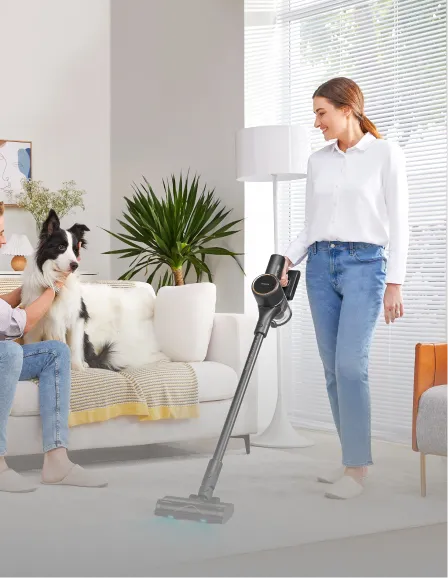
Transform Your Space: How to Deep Clean Your House—and Actually Enjoy th...

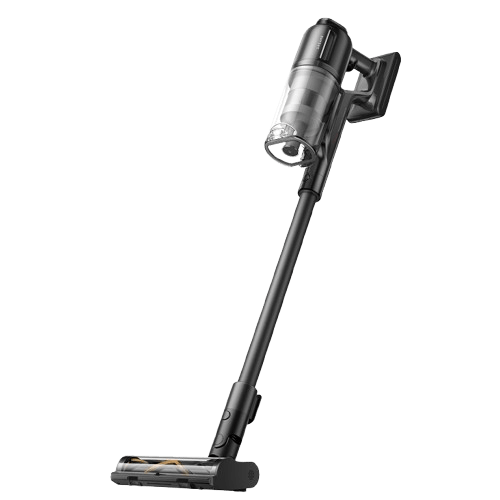
Deep cleaning your home is more than just a seasonal task—it's a methodical process that gets into places your regular routine might miss. If you're wondering how to deep clean your house effectively, don’t worry—it’s simpler than it sounds. While the term may seem daunting, deep house cleaning is really just a series of manageable steps. It's not only about creating sparkling surfaces, but also about building a peaceful and healthy home environment that genuinely boosts your mood and well-being. While the schedule for optimal deep cleaning varies according to each household and room, there are some general guidelines for tackling the task. How Often Do You Need to Deep Clean Your House? How often you really need to deep clean your house depends on a few things. Here's a quick list to help you figure it out: Generally, aim for every 3–6 months, a good timeframe to keep things really fresh by tackling those hidden grime spots. Got pets or little ones? You might want to increase that to every 2–3 months. More activity usually means more messes. Dealing with allergies? If someone in your home has allergies or respiratory issues, more frequent deep cleans can really help reduce dust, pet dander, and other triggers. Think about high-traffic areas. Of course, your kitchen and bathrooms need a deeper scrub more often. Some people do a mini-deep clean in those zones monthly. Seasonal spruce-ups are great. A good spring and fall deep clean that gets you ready for changing weather is like giving your house a fresh start. Ultimately, it's about what’s right for your home and lifestyle. And a little planning makes bigger cleaning tasks seem easier if you gather the right tools and organize the mission. Prepare Essential Deep Cleaning Tools First Before you begin scrubbing, you've got to get your arsenal together. Gather some microfiber cloths, a good set of scrub brushes for different surfaces, and some spray cleaning solutions you trust. And don't forget a dustpan, brush, and bucket. Getting these basics on hand will save you countless trips back and forth. Once you've got your general tools, it's time to think about more specialized items that will tackle those really tough spots. The Dreame H15 Pro Heat Wet Dry Vacuum is a game-changer for sanitizing and breaking down grime without harsh chemicals. The Dreame Z30 Cordless Stick Vacuum has the power, handiness, and attachments to deep clean all those nooks and crannies that like to harbor dirt. Other go-to helpers include a good squeegee for streak-free windows and mirrors and a long-handled duster for those high, forgotten spots. Preparation is important, and so is the approach. Taken in smaller steps, a clear process makes the effort less daunting. Here’s a general sequence of actions: The Process Is the Solution Preparation is important, and so is the approach. Taken in smaller steps, a clear process makes the effort less daunting. Here’s a general sequence of actions: Remove clutter: To begin deep cleaning your home, first declutter each area by removing any misplaced items, trash, or unneeded possessions. This initial purge creates clear surfaces and open spaces essential for effective cleaning. Clean surfaces: After decluttering, use appropriate cleaners, whether all-purpose or specialized for wood, stone, or other materials. Wipe down shelves, furniture, and light fixtures thoroughly, removing all dust, grime, and sticky residues. Finish by polishing or drying surfaces to prevent streaks and ensure a sparkling finish. Vacuum or mop floors: Floors should be the last area cleaned as you get rid of both existing dirt and the messes left from cleaning above. The Dreame range of wet and dry and cordless stick vacuums are invaluable in dealing with the floors, no matter the surface material. Pro-tip For the best cleaning results, work from the top down, allow cleaning products to sit and penetrate surfaces before scrubbing, and use appropriate attachments to effectively reach and clean corners. Of course different rooms serve different purposes, so each has its own cleaning needs. Here are a few guidelines for those high-traffic areas: Room-by-Room Deep Cleaning Guide In the Kitchen When you're deep cleaning your kitchen, you'll want to pay special attention to the microwave, refrigerator, and oven. These tend to gather grime faster than you'd think. Microwave: Aim to deep clean weekly. Those food splatters are germ havens if not addressed. Refrigerator: Give your fridge a good deep clean monthly. Take everything out and wipe down the shelves and drawers with an antibacterial cleaner. Oven: You should deep clean your oven when you start smelling old food or grease when it heats up. Don't forget other spots like the dishwasher, stovetop, and sink—they need some deep cleaning too. Sprucing Up the Living Room How often you deep clean your living room depends on various factors. The frequency can range from weekly to every six months. Carpets: Deep clean your carpets once or twice a year. If you've got pets or little ones running around, you probably need to do it more often. Deep cleaning carpets can be a big job, but there are awesome deep-cleaning vacuums out there now, like the Dreame T20 Cordless Stick Vacuum, that make deep cleaning your sofa, carpets, and floors a breeze. Windows and drapes: Deep clean every three to six months. Window glass and frames are straightforward tasks with some readily available cleaning spray, but a professional might be the way to go for removing and cleaning drapes. Skirting boards: Give your skirting boards a deep clean quarterly. A quick vacuum and wipe will help get rid of all that dust and those pesky dust mites that love to gather there. Deep Cleaning the Bathroom Your bathroom is a hot spot for germs, so deep cleaning it is important. You can also check how to clean bathroom in 30 mins if you have limited time. Bathtubs and showers: Deep clean weekly because they're sites where fungus and bacteria grow, which can lead to skin infections. Be sure to use antibacterial cleaners and really get into every nook and cranny. Toilets: Clean your toilet daily and give it a good deep clean every week. Just like tubs and showers, use antibacterial agents. Bleach is effective for overall cleansing and stains. A good toilet cleaner also helps with mineral deposits. Bathmats: Clean weekly because they're another favorite spot for fungus and bacteria. After a sanitizing wash, let them dry outside in direct sunlight. Showerheads: Deep clean your showerhead once a year to remove mineral buildup and keep your shower running smoothly. Refreshing the Bedroom Your bedroom needs occasional deep cleaning too. After all, it's where you sleep. Pillows: Deep clean your pillows quarterly. They can collect a lot of dead skin, sweat, oil, dust mites and other allergens.   Mattresses, duvets, and blankets: These should be deep cleaned twice a year. Mattresses can harbor everything pillows do, or even bedbugs. Duvets and blankets also collect dust and allergens. Common Mistakes to Avoid A big mistake people often make is trying to do everything at once, leading to burnout and a less thorough job. Instead, break it down into smaller, manageable chunks. Focus on one room or even one area within a room at a time. Another thing to watch out for is neglecting to clean your cleaning tools. Using dirty sponges, mops, or rags just spreads grime around and defeats the purpose of deep cleaning. Taking your time and being methodical will make a huge difference! Deep Cleaning Tools to Invest In For large spaces or homes with pets, a high-suction wet and dry vacuum like the Dreame H15 Pro Heat saves time, effort, and stress. And to make the job even less demanding, routine cleaning beforehand with the L50 Ultra Robot Vacuum lightens the load. The Dreame Z20 and Z30 cordless stick vacuums are unmatched in getting into hard-to-reach places to eradicate hidden dust and pet hair with the help of specialized attachments.  👉 Extra info: Check out our guides to house cleaning: Your Essential Cleaning Supplies Checklist for a Spotless Home Home Deep Cleaning vs Regular Cleaning: What's the Differences? How to Keep Your House Clean Before, During & After Vacation: Essential Tips     It’s Worth It The effort is worth it—that deep clean brings renewal to your living space and state of mind. And the Dreame range of appliances is there to help you maintain that shine and serenity. Make your first move: Print our Ultimate Cleaning Guide!
Read full article: Transform Your Space: How to Deep Clean Your House—and Actually Enjoy the Results

Get Rid of Pet Hair: 5 Easy Ways for Dog and Cat Owners

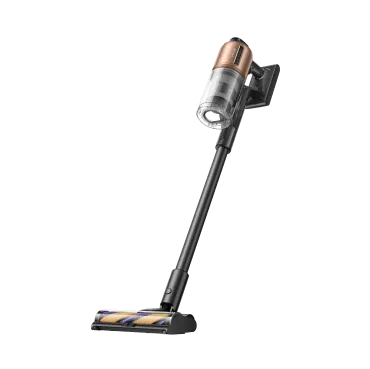
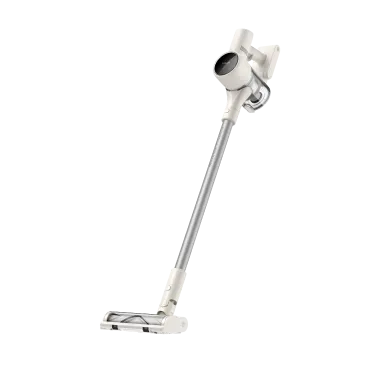
We all love our pets, but it's safe to say we don't love their hair shedding everywhere in our homes. Whether it’s long golden retriever strands or fine cat fluff, shedding can quickly become overwhelming. It clings to couches, carpets, clothes, and for allergy sufferers, it’s more than annoying; it’s uncomfortable. The good news? With the right mix of tools, habits, and smart cleaning tech, staying on top of pet hair is totally doable. Here’s a useful guide to getting rid of pet hair and reclaiming a clean, healthy, and fur-free home. Why Timely Removal of Pet Hair Matters Pet hair buildup can cause: Make your home feel dusty and dirty Damage vacuum filters over time Trigger allergies and asthma Studies show 6 in 10 households in the United States have furry pets, and some 10–20% of the global population suffers from dog- and cat-hair-related allergies, so discomfort can be very real. It isn’t just the hair itself—it is also the dander from dogs and cats. For the sake of home and health, pet owners can remove dog and cat hair through a range of efforts. Routine cleaning is a good baseline to start from. How Often Should You Vacuum with Pets? It depends on: The number and type of pets Shedding seasons (typically spring and fall) Whether you have allergy or asthma sufferers at home Heavy shedders like German Shepherds or Golden Retrievers may require daily cleaning during peak shedding seasons. Cats can pose a different challenge than dogs because of their hair characteristics and unique habits, but you can learn “How to Choose a Vacuum for Cat Hair and Litter" to make cleaning easier. Daily Maintenance Strategies To effectively prevent excessive dog and cat shedding, regular brushing is a good start, catching it before it lands all over the furniture and carpet. And don't forget adhesive lint rollers—they're super handy for quick touch-ups to remove dog and cat hair from clothes and upholstery. Deshedding routines for dogs and cats typically involve regular brushing with specialized tools to remove the loose undercoat and reduce the amount of hair shed around the home. Consistent deshedding not only keeps your house cleaner but also promotes a healthier coat and skin for your dog or cat by preventing matting and improving air circulation. Pet Hair Removal Tools & Products Specialized deshedding tools for dogs include: Rakes that reach deep into the undercoat and remove loose hair without damaging the topcoat. Slicker brushes and grooming gloves can help with surface tangles and gentle fur removal. High-velocity dryers are often used by professionals after bathing to blow out loose undercoat hair. The process can also include a bath using specialized deshedding shampoo and conditioner. Bath frequency depends on the breed and shedding patterns, with heavily shedding dogs often needing one every 4–6 weeks. Cats, too, benefit from reduced amounts of undercoat hair, leading to less shedding around your home, fewer hairballs, and a healthier, more comfortable coat. Special cat grooming tools reach into the undercoat to pull out loose, dead hair that's just waiting to fall onto your furniture, while grooming gloves gather loose fur as you simply pet your cat. Dreame Take Look for a vacuum that actually lifts embedded pet hair, like the Dreame H14 Pro Wet and Dry Vacuum. It has powerful suction, edge-to-edge cleaning, and built-in intelligence for smarter, easier, and more thorough cleaning. Woolen pet dryer balls are another element in the arsenal. Designed to circulate in a clothes dryer alongside laundry, they assist in gathering stray pet hair from clothing. Pet hair removal brooms, often made with rubber or electrostatic bristles, also help by gathering stubborn fur from various surfaces, including carpets and hard floors. Unlike traditional brooms, they attract and collect hair rather than scatter it. High-Tech Help for Pet Hair Control Manual tools help, but smart tech keeps fur under control 24/7. Here’s some tech to consider: Cordless vacuums like the Dreame Z30 make it easy to clean furniture, stairs, and corners and keep them fur-free. The Dreame X50 Ultra Robot Vacuum vacuums and mops on schedule, even when you're not home. Learn more about picking the right robot vacuum using this guide: “Robot Vacuums and Pets: What You Need to Know.” An air purifier like the AirPursue PM10 captures airborne pet dander and hair, so you breathe easier. How to Get Rid of Pet Hair in Specific Areas In addition to general cleaning, there are actions you can take to remove dog and cat hair from specific home areas and personal items: Carpet Pet hair, dander, and odor in your carpet are common as long as pets stay indoors, but there are effective methods of eliminating them. You'll want to use a combination of methods, starting with a good pet-specific vacuum cleaner along with tools like rubber gloves, squeegees, or even a damp cloth to lift those stubborn embedded hairs. For more info, check out this guide on “5 Ways To Remove Pet Hair And Smells From Carpet.” Furniture Another challenge is keeping furniture clear from dog and cat hair, but there are solutions for that too. Try using a damp rubber glove, an adhesive lint roller, or simply vacuuming with an upholstery attachment. Couches The couch is often a favorite spot for dogs and cats, too. Some of the simple methods mentioned earlier help by gripping and gathering the hair into easy-to-remove clumps. Laundry and Washing Machine Not surprisingly, the washing machine ends up with a lot of pet hair. You can pre-treat items with a lint roller or by shaking them out and using a pet hair remover ball or a cup of white vinegar in the wash cycle. Clothes We love to interact with our cats and dogs, but that often means hair left on our clothing. A lint roller is your best friend for quick touch-ups; for stubborn hair, put on a damp rubber glove and run your hand over the fabric. Inside the Car Our motor vehicle is also often a repository for our pets’ hair as we bring them with us on errands, trips, or to the vet. A car-specific vacuum with good attachments can hit all those nooks and crannies. ⭐Extra read: How to Keep Dog Hair Out of Your Pool: 8 Expert Tips for a Clean Swim. What’s the Best Way to Get Rid of Pet Hair? There’s no one-size-fits-all answer, but a combo of the right tools and routines is key. Quick hacks: Keep lint rollers by the door and couch. Groom pets before guests arrive. Use air purifiers in bedrooms and living areas. Let a robot vacuum run daily when you're out. Pro-tip Explore more pet-related cleaning tips by reading “Things Every Dog Owner Should Know About Vacuums Final Thoughts: Let the Fur Stay with Pets, Not the Couch Pets fill our lives with immense joy, but dog and cat hair can test our patience. For people with allergies, it can stretch far beyond just annoyance. But it doesn't have to be a big battle. With the right tools, like Dreame’s high-powered vacuums, smart robots, and sleek air purifiers, you’ll spend less time cleaning and more time enjoying your pets. Read our series for pet owners How to Keep Your House Clean With Pets Around Robot Vacuums and Pets: What You Need to Know Robot Vacuums for Pet Hair in 2025 Get Rid of Pet Hair: 5 Easy Ways for Dog and Cat Owners How to Get Pet Hair Out of a Car 5 Ways To Remove Pet Hair And Smells From Carpet How to Choose a Vacuum for Cat Hair and Litter 9 Surprising Things Every Dog Owner Should Know About Vacuums
Read full article: Get Rid of Pet Hair: 5 Easy Ways for Dog and Cat Owners

How to Eliminate Dust from Home: A Simple Step-by-Step Guide

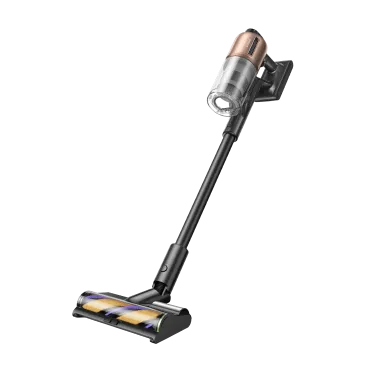
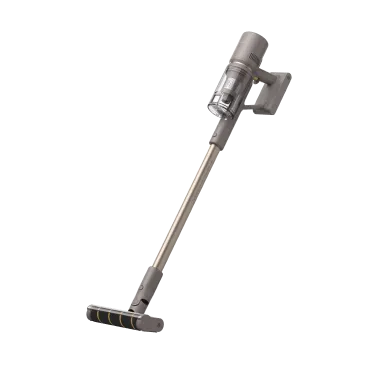
While dust might seem harmless, even just a little fuzz on the bookshelf or a fine layer on the TV, can quietly wreak havoc on your home and health. One moment your space is sparkling, and the next, it's covered in fine particles. Surprisingly, dust can be a mix of dead skin cells, dirt, pollen, pet dander, and even tiny insect parts. Yuck! And for allergy sufferers, dust isn't just a nuisance. It's a trigger. Here’s everything you need to know about how to eliminate dust from your home effectively, and why doing so might be one of the best things you do for your health, peace of mind, and indoor air quality. With the right strategies and smart tools like Dreame vacuums and air purifiers, you can reduce dust at its source and keep it from coming back. Best Dusting Techniques That Actually Work Dust hides in plain sight, clinging to blinds, baseboards, and ceiling fans. But it also floats invisibly through the air, settling the moment you stop paying attention. That’s why having a reliable technique matters. Use a dry microfiber cloth first to lift loose particles, then follow up with a slightly damp one to grab the finer dust that clings to surfaces. Always start from the highest points, like ceiling fans, shelves, and curtain rods, so that dislodged dust falls to areas you haven’t cleaned yet. For blinds, wrap a cloth around a butter knife to clean between slats. Don’t overlook doorframes, vents, or the tops of picture frames. When it comes to baseboards, try using an old dryer sheet. It not only collects dust but also leaves behind an anti-static layer that helps repel future buildup. For tight corners and crevices, use the crevice tool on your vacuum or an extendable duster to reach what your cloth can’t. If you’re having trouble with more than dirt, like critters in your bed, read Dreame’s recommendation on how to Get Rid of Bed Bugs.  Benefit: Dusting properly helps reduce allergens on surfaces you touch every day and keeps your home feeling truly fresh and tidy. Pro Tip: Dust ceiling fan blades with an old pillowcase. You can open the pillowcase to clean and trap the dust inside to prevent it from falling on your bed or floors. Use the Right Tools to Eliminate Dust Effectively  Gone are the days of spending hours dusting by hand every weekend. Traditional tools like feather dusters often just push particles around instead of removing them. And while standard vacuums can help, many miss the finer details, like allergens, pet dander, and dust hiding in tight corners. Modern cleaning tools, like stick and robot vacuums, are designed to tackle these problems head-on. Here's what to look for: Advanced brush design: Brushes that maintain full contact with the floor can reach into cracks and lift embedded debris, not just surface-level dust. Powerful suction with dust bag + auto-empty: Strong suction combined with a dust bag and auto-empty feature ensures you're capturing and removing fine particles—not just redistributing them. Quiet performance: Low-noise motors allow you to run your vacuum daily, even while you’re working or relaxing at home. Other smart tools worth adding to your cleaning setup: Extendable microfiber dusters for reaching ceiling fans and upper corners Vacuum attachments for furniture, stairs, baseboards, and tight edges And if you’re wondering which vacuum to use, check out how to Choose the Right Dust-Busting Machine for Your Home for expert tips on selecting the best model for each cleaning task. Owning a Dreame’s X50 Ultra Robot Vacuum is a next level cleaning game-changer. Benefit: The right tools save you time, effort, and frustration. More importantly, they help you eliminate dust at the root so you can breathe easier. How to Eliminate Dust in the Air Dust isn’t just collecting on your shelves—it’s floating in the air you breathe. If you’re only cleaning flat surfaces, you’re tackling just half the problem. Airborne particles like pollen, pet dander, and microscopic dust can linger for hours before settling, triggering allergies and worsening air quality in your home. One of the most effective ways to combat airborne dust is by using a high-efficiency air purifier. Look for models with a true HEPA filter, which can trap 99.97% of particles as small as 0.3 microns. These filters capture not only dust, but also allergens, bacteria, and even some viruses. Other helpful strategies to reduce dust in the air: Clean or replace HVAC filters every 1–3 months Use houseplants such as spider plants or snake plants to trap fine particles naturally Ventilate your space by opening windows only when the outdoor air quality is good Cleaner air has real benefits. You’ll likely sleep better, experience fewer allergy flare-ups, and notice a significant drop in surface dust—especially in rooms filled with fabric, like bedrooms or nurseries. For whole-room protection, consider the Dreame AirPursue PM2.0. It features: True HEPA-grade filtration with 99.97% efficiency Dual-way air outlets that circulate fresh air quickly A powerful 400 m³/h clean air delivery rate that makes it ideal for larger spaces like living rooms and bedrooms Benefits: Clean air promotes better sleep, fewer problems with allergies, and a noticeable drop in everyday dust, especially in fabric-heavy spaces like bedrooms or living rooms. Important: According to Consumer Reports, sealing off places where dust enters and settles is one of the top recommended strategies for healthier indoor air. How to Eliminate Dust from Every Room in the House Dust doesn’t discriminate. In fact, it settles everywhere. When cleaning, each room comes with its own set of special challenges. Here’s how to tackle each space like an expert: Living Room Dust behind the TV, under the couch, and behind the curtains Vacuum daily to catch dirt and debris tracked in from shoes or pets Pro-tip: The robot vacuum’s "set it and forget it" operation keeps dust from ever becoming a problem and frees up your time for literally anything else. Kitchen Clean the tops of cabinets and behind fridge coils Wipe surfaces like the microwave top, range hoods, and any other kitchen ledges or trim Bedroom Vacuum under the bed weekly Use pillow protectors and mattress covers to reduce trapped allergens Run an air purifier nightly while you sleep You can also follow this step-by-step guide on How to Clean Your Room like a Pro for even deeper dust management, especially in sleep spaces where air quality matters most. Bathroom Dust the vent fan cover and the top of the cabinets Wipe light fixtures and behind the toilet tank Total Benefit: Cleaning every room keeps dust from piling up in forgotten corners and cuts down on what circulates through the air. Dreame Take: A clean home isn’t about perfection. It’s about consistency and using the right tools that do more so you can do less. The Simple Trick to Eliminate Dust in Your House Want to know the one trick that actually works? Automate it. Set a robot vacuum to run daily, especially under furniture, around baseboards, and in high-traffic areas. To get that extra hygienic fresh feeling, pair it with the Dreame H14 Pro Wet & Dry Vacuum for weekly deep cleaning: Its durable cleaning  brush combs through rugs and couches, removing liquid messes and tangled hair It fits easily under beds and sofas, reaching dust you didn’t know existed It keeps surfaces visibly cleaner and fabric feeling and smelling fresher To find the best vacuum for your home setup, explore the full Dreame collection of vacuums and accessories for performance options suited for pet hair, large spaces, or automated cleaning. More Tips to Keep Your Home Dust-Free Wash bedding, throw pillows, and curtains weekly Declutter—less stuff means fewer surfaces to collect dust Change your filters regularly (robot vac, purifier, HVAC) Use doormats and leave shoes at the door to reduce tracked-in dirt and debris Benefit: A simple change in habits can lead to a home that feels lighter, fresher, and more breathable. Who doesn’t want that? FAQs Q: Does a robot vacuum help with dust? A: Yes! Dreame robot vacuums trap dust before it becomes airborne, keeping surfaces cleaner, especially under furniture and in tight corners. Q: What is a good air purifier for eliminating dust? A: The Dreame AirPursue PM2.0 captures 99.97% of particles, including dust, allergens, and even airborne bacteria. It’s especially helpful in bedrooms and homes with pets.  Q: How often should I dust to keep it under control? A: Once a week is ideal. But with tools like Dreame vacuums and purifiers running daily, you’ll need to do less manual dusting. Q: Can dust make me sick? A: Absolutely. Dust can carry mites, bacteria, and allergens that trigger asthma, sneezing, skin irritation, and fatigue. Dust-Free Isn’t Perfect, But It’s Possible Let’s be honest, completely eliminating dust from your home isn’t realistic. But keeping it under control? That’s absolutely doable. With smart, reliable tools from Dreame, such as robot vacuums and air purifiers, you don’t have to stress about dust anymore . You can breathe easier, sleep better, and enjoy a consistently clean home with minimal effort. Dust less. Live life more.
Read full article: How to Eliminate Dust from Home: A Simple Step-by-Step Guide

How to Get Pet Hair Out of a Car: Best Tools, Tips & Step-by-Step Methods

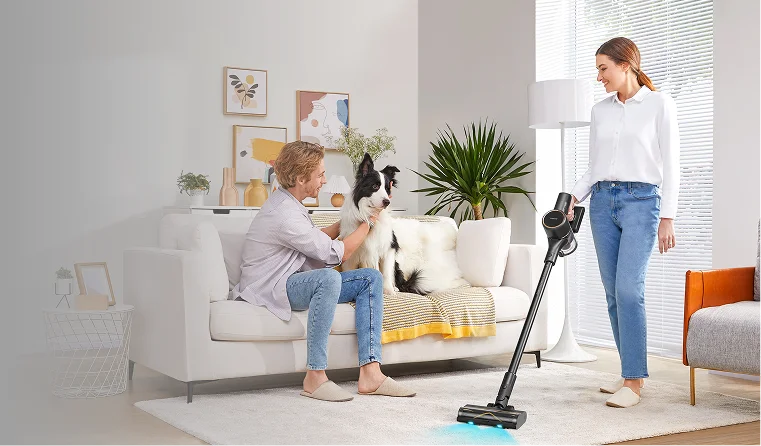
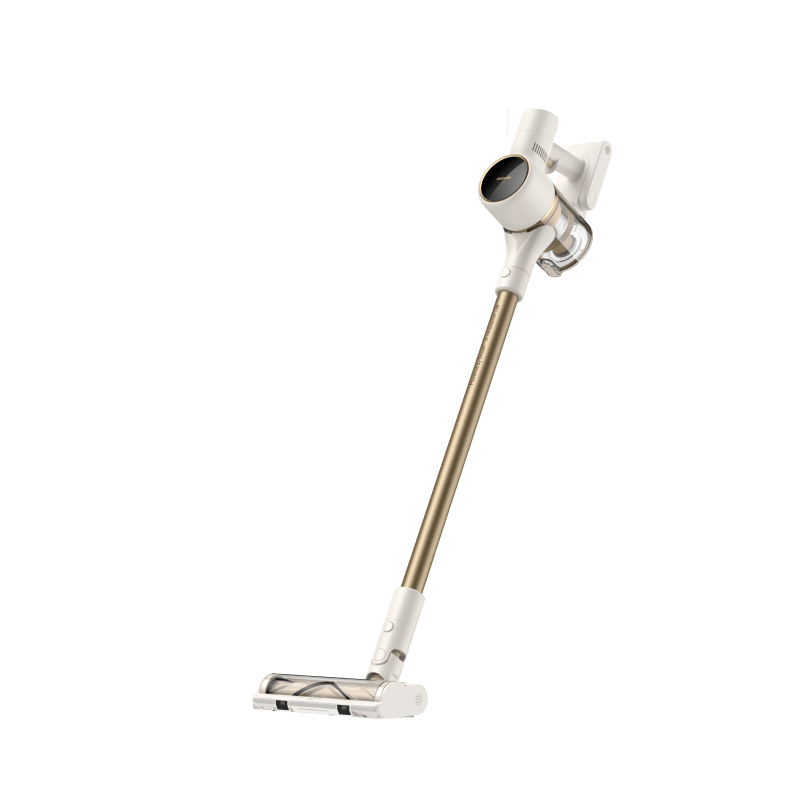
If you drive with a dog or cat regularly, you’ve probably battled stubborn fur clinging to every inch of your car’s interior. Pet hair doesn’t just sit on the surface; it weaves itself deep into carpets, wraps around seatbelts, and somehow finds its way into every corner. Knowing how to get pet hair out of your car properly is the only way to keep your ride clean, allergen-free, and ready for passengers—human or otherwise. This guide breaks down the best tools, techniques, and Dreame-approved vacuum picks that make removing pet hair easier, faster, and more thoroughly than ever. Why Is Pet Hair So Hard to Remove From Cars? Pet hair sticks due to static cling and friction. Most car interiors, especially cloth upholstery and carpet, create the perfect storm of texture and static electricity. That means a quick brush or standard vacuum often isn’t enough. Once embedded, the strands latch onto every fiber like Velcro. Add moisture, heat, and repeated shedding, and you’ve got a mess that requires more than just elbow grease. Understanding this challenge helps explain why some cleaning methods fail and why investing in the right tools makes all the difference. Essential Tools to Get Pet Hair Out of Your Car Before diving into technique, make sure you’re equipped with the right gear. The tools below offer various benefits, depending on the surface and severity of pet hair buildup. You don’t need every gadget on the market, but having a few of these in your cleaning kit will save time and frustration.  1. A Vacuum Designed for Pet Hair Standard vacuums often don’t cut it for car hair cleanup. You’ll want something with strong suction, flexible attachments, and a design that works in tight spaces. The Dreame Z30 Cordless Stick Vacuum is a powerhouse for this. It combines ultra-strong 310 AW suction with an advanced tangle-free brush that handles thick pet hair without clogging. Plus, it’s cordless, so it’s easy to maneuver through seats and footwells. For a more compact but equally effective option, the Dreame Z20 Cordless Stick Vacuum works wonders. Its smart dust-detection sensors and ergonomic design make it perfect for cars and homes alike. Pro-tip Use the mini motorized brush head included with Dreame’s Z30 or Z20 vacuums to remove pet hair from car seats and carpets more effectively. It agitates the fibers and lifts stubborn fur without damaging upholstery. 2. Lint Rollers & Sticky Brushes They’re great for fast pickups on headrests and fabric seats, especially when you’re on the go. Keep a roller in your glove compartment for quick refreshes. Press, roll, and peel away hair in seconds. While these tools won’t tackle embedded hair, they’re perfect for touch-ups or lighter shedders. 3. Rubber Gloves or Squeegees Wearing a slightly damp rubber glove and dragging your hand across seats and carpets can pull up surprising amounts of hair. The friction helps clump the hair together for easier removal. Squeegees work similarly and are especially handy on floor mats or seat cushions. 4. Specialty Detail Tools For hard-to-reach areas or ultra-clingy fur, detailers swear by pumice stones, pet hair brushes, or mini grooming rakes. These tools can lift embedded strands from fabric with shocking precision. Think of these as the fine-tuning tools in your car-cleaning arsenal, as they can make the difference between “mostly clean” and “fur-free.” Pet Hair Removal Tools at a Glance Here’s a quick breakdown to help you match tools to your pet hair challenges: Tool Type Best For Pros Quick Tip Dreame Z30 Vacuum Carpet, seats, all-in-one Powerful, cordless, pet-focused Use max mode on carpets Lint Roller Surface-level cleanup Portable and easy Keep in your glove box Rubber Gloves Seat surfaces, corners Cheap and effective Slightly damp for best results Pet Hair Detail Brush Upholstery creases, tight spots Gets embedded hair Use short strokes against grain Step-by-Step: How to Get Pet Hair Out of Your Car Ready to start cleaning? Follow the steps in this section to address the trickiest pet-hair zones in your car one by one. Let’s walk through the key areas. Car Upholstery (Cloth or Leather) Pre-treat by spraying fabric with water or a light upholstery cleaner to reduce static. Use a lint roller or rubber glove to gather loose fur. Vacuum the surface using your Dreame Z30 or Z20 with the crevice or brush attachment. For cloth seats, drag a pumice stone gently across the fabric to lift embedded hair. For leather seats, use a damp microfiber cloth followed by vacuuming. Avoid harsh brushing to prevent scratches. Important Be mindful of stitching and seams, as hair tends to build up there and may need targeted attention. Car Seats The type of seat material matters. Adjust your method depending on whether you're working with cloth or leather. Fabric seats: Use a squeegee or glove first, then vacuum in multiple directions to lift the pile and extract deeper hair. Leather seats: Avoid static buildup by wiping with a dryer sheet first, then use your vacuum. Car Carpets Begin by beating out loose debris using your hands or a brush. Use the Dreame Z30 with full suction to extract pet hair from a carpet pile. For corners or floor mats, go over the area twice—vertically and horizontally—for better lift. Need more help with floor cleaning? Check out our “Carpet Cleaner Solutions for Pets” for more deep-cleaning tips. How to Choose the Best Car Vacuum for Pet Hair Choosing the right vacuum doesn’t just make the job easier; it ensures that stubborn pet hair actually comes out on the first pass. Here’s what to look for: Strong suction power (at least 150 AW+) to remove embedded hair Mini motorized brush head that won’t tangle easily Cordless flexibility for easy movement inside the car Both the Dreame Z30 and Z20 check these boxes. In particular, the Z30 offers auto-adjusting suction and a smart LCD screen for better control, while the Z20 provides up to 90 minutes of runtime, which is enough for multiple cleanups with a single charge.  For more on vacuum features, don’t miss the guide on “How to Choose the Right Pet Hair Vacuum.” Advanced Tricks for Stubborn Hair Some fur just doesn’t want to let go. If you’ve followed every step and still see hair clinging on, try these bonus tricks that detailers and pet owners swear by: Use a squeegee on larger fabric surfaces to collect hair into clumps before vacuuming. Wrap tape around your hand (sticky side out) and press into edges, corners, and vents to pick up elusive hairs. Steam clean cloth surfaces to loosen embedded hair. Follow up with a vacuum after the fabric dries slightly. How to Keep Your Car Hair-Free for Longer Prevention makes cleanup faster and easier. Regular brushing and grooming of your pet can dramatically reduce shedding. Also, try lining your backseat or cargo area with washable blankets or seat covers. After a ride, just shake out the cover instead of vacuuming the whole car. Smart prevention cuts down on cleaning time. It’s a great idea to build a basic pet-hair cleaning kit, including a Dreame cordless vacuum, a lint roller, a rubber glove, and a detailing brush. Store it in your trunk so it’s always within reach after a park visit or vet trip. Dreame Take Vacuums like the Dreame Z30 Cordless Stick Vacuum come with car-friendly attachments. The compact design fits right in your car cleaning kit, so you’re always ready to tackle messes on the go. No more forgotten fur in hard-to-reach spots. Final Thoughts Cleaning pet hair from your car doesn’t have to be a frustrating battle. With the right tools, like a Dreame Z30 or Z20 cordless vacuum, and a few clever tricks, you can keep your interior fur-free and fresh. Whether you’re tackling deep carpet cleanup or brushing off your leather seats, this guide helps you work smarter, not harder. By combining smart tools with a proactive approach, you’ll spend less time cleaning and more time enjoying the ride with your pet! Want more tips on home and auto cleaning for pet owners? Visit the Dreame Blog for expert guides like “How to Keep Your House Clean With Pets Around” and “Robot Vacuums for Pet Hair in 2025.” Read our series for pet owners How to Keep Your House Clean With Pets Around Robot Vacuums and Pets: What You Need to Know Robot Vacuums for Pet Hair in 2025 Get Rid of Pet Hair: 5 Easy Ways for Dog and Cat Owners How to Get Pet Hair Out of a Car 5 Ways To Remove Pet Hair And Smells From Carpet How to Choose a Vacuum for Cat Hair and Litter 9 Surprising Things Every Dog Owner Should Know About Vacuums
Read full article: How to Get Pet Hair Out of a Car: Best Tools, Tips & Step-by-Step Methods